Written by: DreamMeaning Editorial Team
Reviewed: 13 July 2026
Purpose: Educational only — not diagnostic, predictive, or crisis support.
Approach: Psychology-informed, symbolic, and cross-cultural interpretation.
Dreaming about spiders can reflect deep-seated fears or anxieties, often symbolizing entanglement in life's complexities. These dreams may also signal personal growth and transformation.
- Category
- Animals
- Themes
- dream interpretation · spiders · psychology · symbolism · depth psychology
- Related
- Dreaming About an Ancient Crow: Meaning, Psychology & Symbolism · Dreaming About an Ancient Dolphin: Meaning, Psychology & Symbolism · Dreaming About a Baby Lion: Meaning, Psychology & Symbolism · Dreaming About a Bear Encounter: Meaning, Psychology & Symbolism
- FAQs covered
- 6 questions
Associated Archetypes
Key themes in this dream
What this dream may mean
- Spiders carry uniquely dualistic symbolism: the web simultaneously represents entrapment and creative construction — which side the dream emphasises matters enormously.
- Your relationship to the spider (do you fear it, observe it, accept it?) often mirrors your relationship to something similarly ambivalent in waking life.
- Spider dreams frequently appear when interpersonal entanglement — a complicated relationship, a creative project, a dependent dynamic — is prominent.
What does dreaming about spiders mean psychologically?
The Web: Entrapment or Creation?
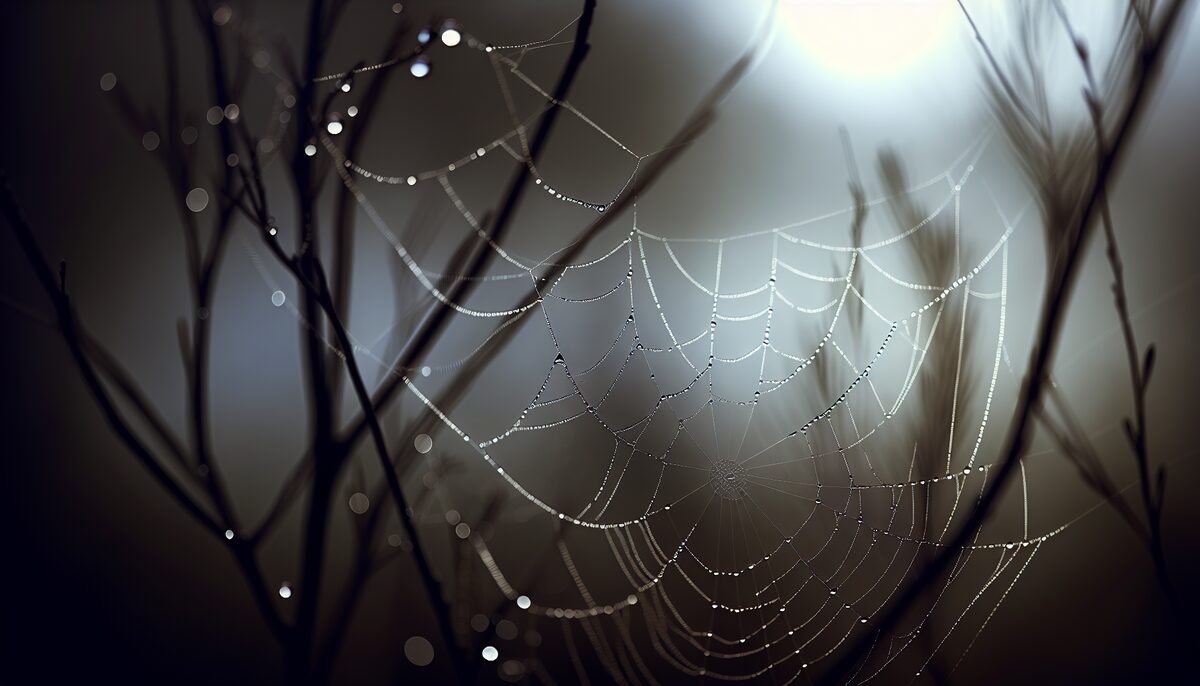
Spiders in dreams are rarely simple. The central image is the web — and your position relative to it is critical. If you dream of being caught or immobilized in a spider’s web, it often dramatizes a sense of being entangled: perhaps in a relationship that feels suffocating, a responsibility that has grown sticky, or a habit that’s hard to escape. But if you are the observer, watching a spider methodically build its web, the dream may highlight your own creative process and the patient, intricate work required to construct something meaningful in your waking life.
Spiders as Anxiety Containers
Even for those without a conscious fear of spiders, their presence in dreams is strongly tied to general anxiety. Spiders become a vessel for free-floating worry — especially during times of heightened stress, change, or uncertainty. Their sudden appearance, unpredictable movement, and alien forms make them ideal symbols for anxieties that are hard to name. The brain, seeking a way to process background fear, reaches for this potent image.
Creative Mastery or Threat?
The spider’s patience and precision can reflect qualities you are developing — or ones you find intimidating. Sometimes, the dream spider is a model of creative mastery, weaving with care and skill. Other times, its presence feels threatening, as if the careful planning or control of someone else (or even your own ambitions) has become overwhelming. This ambivalence is key: the spider is both builder and captor, and your emotional response in the dream mirrors your real-life stance toward control, creativity, and entanglement.
Relational and Emotional Complexity
Finally, spider dreams commonly emerge when you’re navigating interpersonal tangles — complicated relationships, dependent dynamics, or situations where boundaries are blurred. The web becomes a metaphor for the intricate, sometimes sticky, connections we build with others — and the challenge of knowing when you are the weaver, and when you are the caught.
Spiritual and symbolic meaning of spiders in dreams
Across cultures, spiders are powerful symbols — sometimes creators, sometimes tricksters, always weavers of fate and meaning.
- West African/African Diaspora (Anansi): The spider is revered as a master storyteller, trickster, and creative force. Anansi, the spider-god, weaves stories and wisdom, embodying cunning and intelligence. Dreaming of spiders in this context may signal that you are weaving your own story or navigating life with creativity and wit.
- Ancient Greek (Arachne): In Greek myth, Arachne was transformed into a spider for her pride in weaving. Here, the spider represents both the heights of creative mastery and the dangers of overreaching. Such dreams may reflect pride in your skills or a warning about the costs of unchecked ambition.
- Hindu (Maya): The spider’s web is a metaphor for maya — the illusion that obscures the true nature of reality. Dreaming of spiders and webs can point to questions about what is real versus what is illusion in your life, or suggest that you are caught in patterns that distract you from deeper truths.
What causes dreams about spiders? A scientific perspective
From a neurological perspective, dreaming of spiders is closely linked to the brain’s heightened threat-detection system. Arachnophobia is among the most common specific phobias worldwide, and even people without conscious fear of spiders often experience a strong emotional response to spider dreams. During REM sleep, the amygdala — the brain’s center for processing fear and threat — is particularly active. This can produce vivid, emotionally charged dream imagery, especially when the dreamer is under increased stress or anxiety in waking life. The spider, with its sudden movements and unfamiliar form, becomes an effective symbol for background anxieties, giving a concrete image to otherwise vague or free-floating fears. Research suggests that spider dreams may intensify during periods of psychological pressure, transitions, or sleep disturbances, reflecting the brain’s attempt to process and contain emotional tension.
Common variations of dreams about spiders
What does it mean to dream about a spider in your bedroom?
A spider appearing in your bedroom points to a perceived threat or anxiety intruding into your most private, restful, or intimate space. This dream often signals a boundary violation — perhaps a stressor or unresolved issue that has crept into areas of your life meant for safety, vulnerability, or self-renewal.
What does "Being trapped in a web with spiders" mean in a dream?
This scenario highlights a strong sense of entanglement or powerlessness, often reflecting a situation where you feel both stuck and watched or judged. The presence of multiple spiders can represent external pressures, complicated relationships, or a dynamic where escaping feels especially difficult.
What does "Spiders crawling on your body" mean in a dream?
Spiders on your body can evoke intense discomfort and often symbolize anxiety that feels inescapably personal. This dream may point to issues with boundaries, feeling invaded by external stressors, or experiencing emotions or obligations that have become uncomfortably close to home.
What does "Observing a spider weaving a web" mean in a dream?
Watching a spider build its web usually reflects admiration for patience, creativity, or intricate planning. This dream may arise when you’re engaged in constructing something complex in your waking life, or when you’re recognizing the value of careful, deliberate effort.
What do killing a spider in your dreams mean?
Killing a spider can indicate a desire to break free from entanglement, anxiety, or a stifling dynamic. It might also suggest discomfort with aspects of your own creativity or complexity, or a wish to assert control over something that feels threatening or overwhelming.
What does "Spiders in your workplace" mean in a dream?
Spiders appearing at work often point to professional entanglements, office politics, or projects that have grown more intricate than expected. The dream may highlight anxieties about being caught in workplace dynamics or, alternatively, your role in weaving together complex tasks or relationships.
What does "Being bitten by a spider" mean in a dream?
A spider bite in a dream often marks a sudden, acute confrontation with anxiety, threat, or toxic influence. It may reflect a recent emotional wound, a betrayal, or the impact of a stressful dynamic that has ‘poisoned’ your sense of safety or autonomy.
What does "Spiders descending from the ceiling" mean in a dream?
Spiders coming down from above can evoke a sense of looming anxiety or problems that feel out of your control. This dream may signal that underlying worries or unresolved issues are beginning to intrude into your conscious awareness, demanding your attention.
What does "Spiders in a peaceful garden" mean in a dream?
Spiders in a serene garden setting suggest the coexistence of creativity and unease. The garden symbolizes growth and harmony, while the spider hints at underlying complexity or subtle entanglements woven into otherwise peaceful areas of life.
What do feeding a spider in your dreams mean?
Feeding a spider points to an active relationship with your own creative or anxious energies. You may be nurturing a project, dynamic, or emotion that is both fascinating and potentially overwhelming, highlighting the tension between fostering growth and fearing what it may become.
How common is dreaming about spiders?
You may also be feeling:
Want to understand what this dream means for you?
Common dream patterns can reassure you that you are not alone, but your personal life context gives the dream its real meaning.
"I'm not the only one who dreams this."
Frequently asked questions about dreams involving spiders
Is dreaming about spiders a bad sign?
Spider dreams usually signal either entanglement (feeling stuck or trapped in a situation) or creative complexity (building something intricate or meaningful). The meaning depends on whether you’re caught in the web or observing its construction. Consider your feelings and position in the dream for the clearest interpretation.
What does it mean if I dream about spiders repeatedly?
Recurring spider dreams often reflect ongoing stress, persistent entanglements, or unresolved issues that feel hard to escape. They may also accompany periods when a complex project or relationship keeps demanding your attention and emotional energy.
What is the spiritual meaning of dreaming about spiders?
Spiritually, spiders are seen as creators, tricksters, and weavers of fate. These dreams often ask you to consider what you are weaving in your own life — whether you feel like the creator of your story, or captive to patterns and circumstances beyond your control.
What is the biblical meaning of dreaming about spiders?
While spiders are not a central biblical symbol, Proverbs 30:28 mentions the spider as something small that finds its way into palaces. This is sometimes interpreted as a sign of persistence, quiet industry, and the ability to thrive despite fragility.
Why do I wake up scared after dreaming about spiders?
Spider dreams strongly activate the brain’s threat-detection system, due to both biological and cultural associations. Even if you don’t consciously fear spiders, your brain may use their image to express underlying anxiety or stress, resulting in an intense emotional response.
What should I do after having a dream about spiders?
Reflect on your role in the dream: are you the spider, or are you caught in the web? Consider whether the web feels like something you’ve built or something trapping you. This usually points to a specific relationship or situation in your current life that needs attention.
A symbol is only the beginning
What matters most is how the dream felt.
Two people can dream of the same symbol and feel completely different emotions. A personal reflection looks at your dream, your emotional tone, and the possible life themes behind it.
Private. Gentle. No fear-based interpretation.
Dream symbols related to spiders
Reflect on your dream
- 01 Are you the one caught in a web, or the one building it — and what does that tell you?
- 02 Is there a relationship or situation in your waking life that feels entangling or hard to escape?
- 03 Do you fear or admire the spider in the dream? What does that emotional charge point to?
- 04 Is there something complex and intricate you're currently constructing — a plan, a relationship, a creative project?
- 05 What would it take to feel free of the web, and is that actually what you want?
Weekly Dream Insights
Understand your recurring patterns
Get a weekly reflection on common dream themes — calm, psychology-grounded, no spam.
References and further reading on spiders
- Jung, C.G. (1964). Man and His Symbols. — Jung's work on symbols provides insights into the archetypal meanings of spiders, highlighting their role in personal and collective unconscious.
- Freud, S. (1900). The Interpretation of Dreams. — Freud's exploration of dream symbolism includes analysis of animals like spiders, focusing on their connection to repressed desires and anxieties.
- Domhoff, G.W. (2003). The Scientific Study of Dreams. — Domhoff's research offers a scientific perspective on dream patterns and themes, including common symbols like spiders.
- Revonsuo, A. (2000). The Reinterpretation of Dreams: An Evolutionary Hypothesis of the Function of Dreaming. — Revonsuo's work discusses the evolutionary role of nightmares and threat simulation, relevant to understanding fear-inducing symbols like spiders.
- Hall, C.S., & Van de Castle, R.L. (1966). The Content Analysis of Dreams. — This study provides a comprehensive analysis of dream content, including the prevalence and interpretation of spider-related symbolism.
Sources & interpretation basis
This interpretation draws on symbolic dream analysis, emotional patterns commonly reported by dreamers, Jungian and Freudian frameworks, cross-cultural symbolic traditions, and general sleep science research. Where peer-reviewed studies are cited, source links are included in the References section above.
Dream interpretation is for reflective and educational purposes only — not a clinical assessment, psychological diagnosis, or substitute for professional support. Read our full methodology →
Educational use only. This article is a reflective and educational resource — not a clinical assessment, psychological diagnosis, or substitute for professional support. Dreams are complex, personal, and cannot be definitively interpreted from a reference guide alone.
If your dreams are linked to significant distress, trauma, or ongoing mental health concerns, please speak with a qualified therapist or mental health professional. Read our full methodology →
Free
Track your dreams over time
One dream is interesting. A month of dreams reveals patterns. Get a gentle morning prompt to log what you remember.
$4.99 one-time
Dream Clarity Report
A structured deep dive connecting your dream with emotional patterns, symbolic relationships, waking-life connections, and a practical reflection plan.